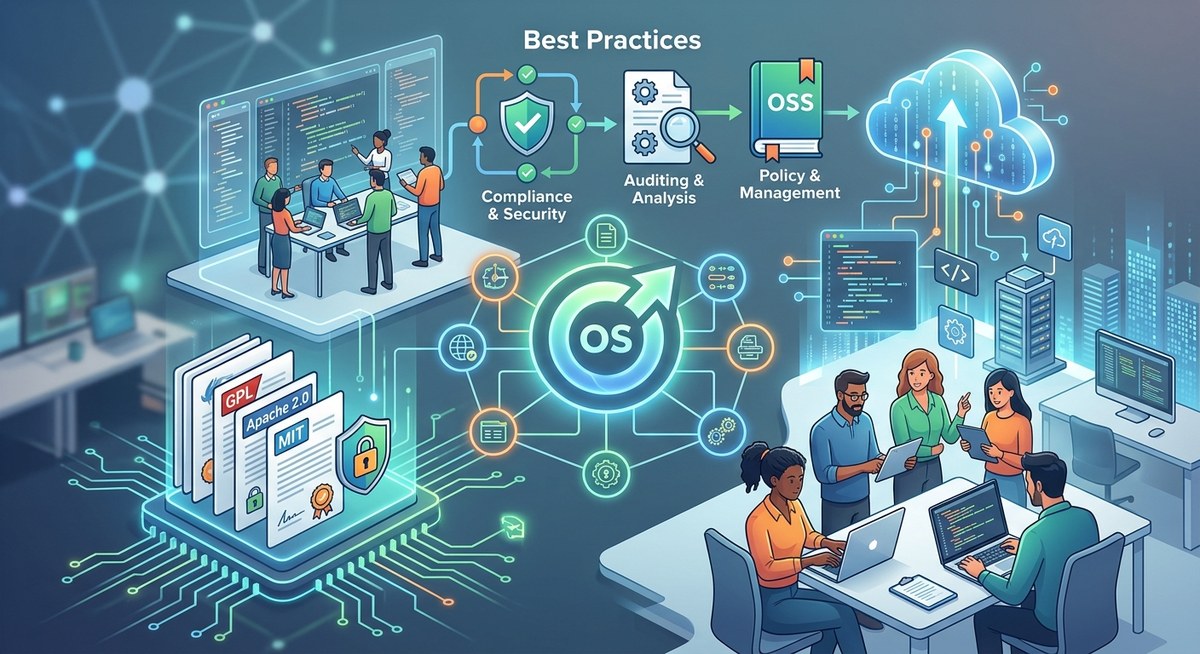
Building a successful open source project involves more than just writing great code. One of the most critical aspects is understanding and applying open source licensing best practices. Proper licensing not only safeguards your legal rights but also encourages collaboration and trust within the community. Whether you’re a developer, contributor, or CTO, mastering these practices helps you avoid legal pitfalls and maximizes the impact of your open source efforts.
Adopting open source licensing best practices involves choosing the right license, documenting your project clearly, and maintaining compliance. These steps ensure legal protection, foster community trust, and support sustainable project growth.
Understanding the Importance of Open Source Licensing
Open source licenses govern how others can use, modify, and distribute your software. Clear, correct licensing is vital for protecting your rights and clarifying what others can and cannot do. Without proper licenses, your project may become legally ambiguous, discouraging collaboration and risking misuse.
Licenses also influence the project’s ecosystem, affecting how it integrates with other software and whether corporations or individual developers feel comfortable contributing. The right licensing strategy aligns with your goals, whether that is widespread adoption, commercial use, or community-driven development.
Selecting the Right License for Your Project
Choosing an open source license is one of the most impactful decisions you make. Here are practical steps to guide your selection:
-
Identify your goals
Decide if you want your project to be more permissive or copyleft. Permissive licenses, like MIT or Apache, allow broad reuse with minimal restrictions. Copyleft licenses, such as GPL, require derivative works to carry the same licensing terms, fostering sharing but limiting proprietary use. -
Review popular licenses
Understand the differences between major licenses. For example, MIT is simple and permissive. Apache 2.0 includes explicit patent rights and is good for corporate contributions. GPL enforces copyleft, ensuring modifications remain open source. -
Consult licensing resources
Use tools like the Open Source Initiative to compare licenses. Read license summaries and legal texts to grasp their implications thoroughly. -
Document your choice clearly
Include a LICENSE file in your repository. Specify the license in your project documentation and header comments. Clear documentation reduces confusion and legal risk. -
Stay consistent
Apply the same license throughout the project. If you incorporate third-party licensed code, verify compatibility to avoid license conflicts.
Best Practices for Maintaining Licensing Clarity and Compliance
Maintaining open source licensing best practices means ongoing diligence. Here are some essential tips:
-
Use clear attribution
Always credit original authors and include license notices. For instance, include license headers in source files and a comprehensive LICENSE file. -
Create a contribution guideline
Outline licensing expectations for contributors. Specify whether contributions will be licensed under the existing license or if a Contributor License Agreement is required. -
Implement license compatibility checks
Regularly review third-party dependencies to ensure compatibility. Use automation tools to scan for license conflicts. -
Maintain a software bill of materials
Track all dependencies and their licenses. This transparency helps in audit situations and avoids inadvertent license violations. -
Educate your team
Ensure everyone understands licensing obligations. Provide training or resources on open source licensing principles. -
Automate compliance
Leverage tools like license checkers and continuous integration pipelines to monitor license compliance during development.
Common Licensing Mistakes and How to Avoid Them
| Technique | Mistake | Prevention Tip |
|---|---|---|
| Choose a license | Using incompatible licenses | Verify license compatibility before combining code |
| Document properly | Missing license headers | Automate license header insertion across codebase |
| Communicate clearly | Vague contribution policies | Write detailed contributing guidelines |
| Manage dependencies | Using unlicensed or incompatible dependencies | Regularly audit dependencies’ licenses |
| Neglect updates | Not updating license info | Review licenses periodically as project evolves |
“Legal clarity in open source is a foundation for trust. Clear licensing guides your community and protects your project from future disputes.” — Open source legal expert
Implementing Licensing Best Practices in Your Workflow
To embed licensing best practices into your development process:
- Start with license selection at the initial project stage.
- Document licensing decisions within your repository and documentation.
- Create contribution policies that specify licensing terms and attribution.
- Use automation tools to check license compliance regularly.
- Train your team on licensing obligations and consequences.
By integrating these steps into your workflow, you foster a sustainable, legally sound open source project that attracts contributors and users alike.
Building a Community Around Licensing Transparency
Transparency about licensing builds trust. Make licensing information prominent in your project. Encourage contributors to understand licensing terms before submitting code. Providing clear guidelines reduces confusion and helps maintain legal compliance.
Consider hosting webinars or creating onboarding materials about licensing. Engage your community in discussions around licensing choices and best practices. This openness reinforces your project’s reputation and encourages responsible participation.
How To Keep Your Open Source Projects Legally Healthy
Keeping your projects legally healthy requires vigilance and ongoing education. Regularly review licenses of your dependencies and contributions. Stay aware of changes in licensing laws and community standards.
Leverage community resources such as legal advice from open source foundations or legal professionals specializing in software licensing. Participate in forums or working groups focused on open source legal issues. This proactive approach helps you stay ahead of potential legal challenges.
Final Thoughts on Licensing for Open Source Success
Applying open source licensing best practices is a crucial step toward building trustworthy, sustainable projects. Clarity in licensing, diligent documentation, and ongoing compliance efforts foster a healthy ecosystem. Remember, licensing isn’t just a legal formality — it shapes your project’s future and community health.
Encourage your team to view licensing as an integral part of software development. With deliberate choices and consistent practices, you can protect your work, encourage collaboration, and contribute positively to the open source movement.
Keeping Your Open Source Projects Legally Sound and Community-Driven
In the end, open source licensing is about more than legal protection. It’s about setting clear expectations, respecting the work of others, and fostering a community that thrives on transparency. By following these best practices, you lay a strong foundation for your projects to grow, innovate, and make a meaningful impact. Keep learning, stay engaged, and enjoy the journey of open source collaboration.