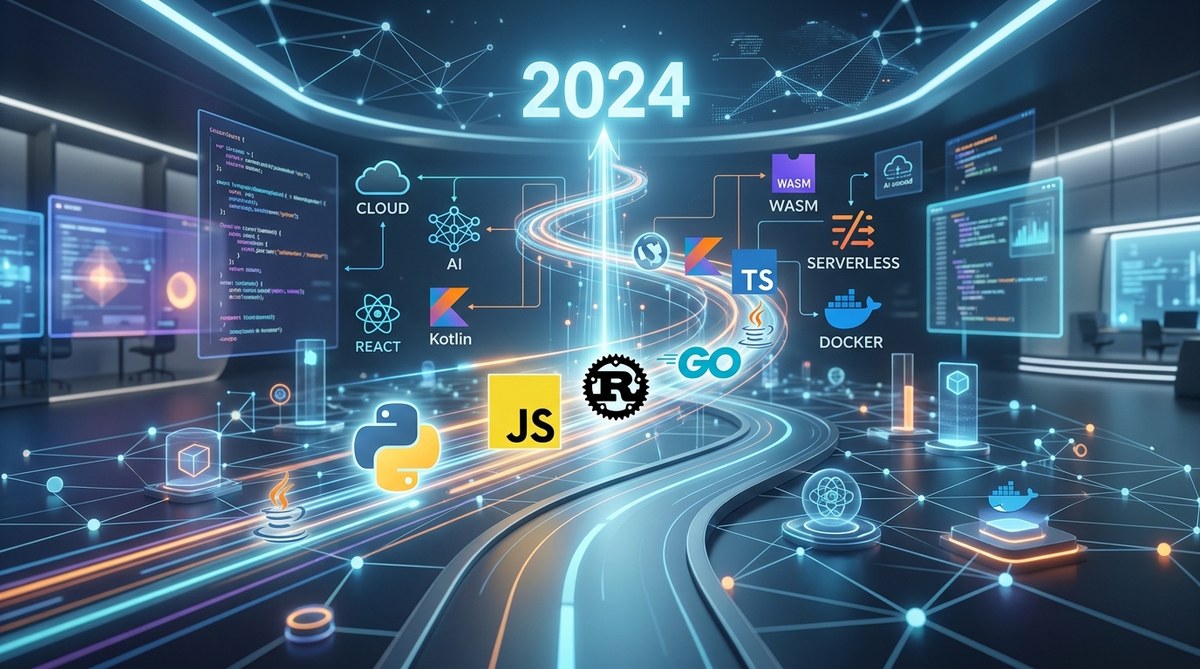
Software development is constantly shifting. Each year brings new languages, frameworks, and tools that redefine what’s possible. For 2024, understanding the current programming languages trends can give you a significant edge. Whether you’re a seasoned developer, a student, or just passionate about tech, knowing which languages are gaining momentum helps you stay relevant and competitive. Let’s explore what’s shaping the coding landscape this year.
In 2024, programming language trends point toward a mix of familiar favorites and emerging contenders. Languages like Rust, Python, and TypeScript continue to dominate, while new players such as Julia and Dart are gaining ground. Staying updated on these trends helps developers future-proof their skills and adapt to shifting industry demands.
What fuels the emergence of new programming languages
The tech world evolves rapidly. New languages often appear to address specific challenges like performance, safety, or ease of use. As industries embrace AI, cloud computing, and data science, programming languages adapt to meet these needs. Open-source communities, major tech companies, and industry leaders contribute to rapid innovation. Additionally, demand for faster development, better security, and scalable solutions pushes the creation of languages optimized for these goals.
Top programming languages to watch in 2024
Here are the main contenders and rising stars shaping the programming landscape this year:
1. Rust: Building safer and faster systems
Rust continues to grow in popularity among developers focusing on security and performance. Its emphasis on memory safety without sacrificing speed makes it ideal for system-level programming, embedded development, and even WebAssembly projects. Major tech companies adopt Rust for critical infrastructure, making it a valuable skill to develop. Its ecosystem expands with new libraries and tools, reinforcing its position as a language of the future.
2. Python: Still the go-to for data and AI
Python remains a favorite across industries. Its simplicity, extensive libraries, and community support make it perfect for everything from web development to machine learning. In 2024, Python’s role in AI continues to expand, especially with frameworks like TensorFlow and PyTorch. Its versatility ensures it stays relevant as new AI tools and data platforms emerge.
3. TypeScript: Enhancing JavaScript for large-scale apps
TypeScript has become the standard for building reliable, maintainable web applications. Its static typing helps catch errors early, speeding up development cycles. As web apps grow more complex, TypeScript’s popularity is expected to increase further. Many companies now prefer TypeScript for frontend and backend projects, making it an essential skill for web developers.
4. Julia: The rising star in scientific computing
Julia specializes in high-performance numerical analysis and scientific computing. Its syntax is easy for newcomers, yet it offers the speed needed for heavy computations. As industries like finance, research, and engineering lean more into data science, Julia’s adoption is rising. Its ability to integrate with Python and C makes it flexible for various projects.
5. Dart: Powering the Flutter ecosystem
Dart is gaining momentum thanks to Flutter, Google’s UI toolkit for building natively compiled apps for mobile, web, and desktop. Its focus on fast development and performance makes it a top choice for cross-platform app creation. As companies aim for faster deployment cycles, Dart’s role in app development keeps growing.
6. Clojure and Elixir: Functional programming gains traction
Functional languages like Clojure and Elixir are becoming more mainstream. They excel at concurrency and handling real-time data streams. Elixir, in particular, powers scalable web systems with its Erlang foundation. Developers interested in building resilient, distributed systems should keep an eye on these languages.
7. Kotlin and Swift: Mobile development’s dynamic duo
Kotlin continues to dominate Android development, with many companies transitioning from Java. Swift remains the language of choice for iOS apps. Both languages evolve rapidly, supporting modern programming paradigms and improving developer productivity. Knowledge of these languages is essential for mobile app developers.
Practical steps to stay on top of programming language trends
- Follow industry updates: Subscribe to blogs, podcasts, and newsletters dedicated to tech news. Sites like TechCrunch or Hacker News regularly feature updates on language trends.
- Engage with open-source projects: Participating in repositories on GitHub can give you hands-on experience with emerging languages and tools.
- Attend conferences and webinars: Events like DevOpsDays or local meetups often highlight trending technologies.
- Practice regularly: Dedicate time to learn new languages through tutorials, courses, and projects. Platforms like freeCodeCamp provide practical exercises.
- Network with peers: Join online communities on Reddit, Discord, or Slack channels focused on programming languages. Sharing insights keeps you informed.
Common pitfalls and how to avoid them
| Technique | Mistake to Avoid |
|---|---|
| Jumping into new languages without understanding their ecosystem | Assume a language is easy to learn without exploring libraries and community support |
| Relying solely on tutorials | Skip practical projects, which are vital for deep understanding |
| Ignoring language maturity | Use languages still in early stages without considering long-term support or stability |
| Over-focusing on the latest trend | Balance learning new languages with strengthening core skills like algorithms and data structures |
Expert advice: “Learning a new programming language should enhance your existing skills. Focus on understanding its core concepts and how it solves specific problems. This approach makes the transition smoother and more meaningful,” advises Lisa Brown, senior software engineer.
How programming language trends influence your career
Staying aware of which languages are gaining popularity can open new job opportunities. It also helps in choosing the right projects or areas to specialize in. For example, mastering Rust can lead to roles in systems programming or security. Learning Julia might boost chances in scientific research or data analysis. The key is to align your skills with market demands while maintaining a solid foundation in core programming principles.
Building a future-proof skill set
- Diversify your expertise: Don’t rely on a single language. Instead, aim to learn a mix that covers web, mobile, and systems programming.
- Prioritize adaptability: Focus on understanding programming paradigms like functional or reactive programming. These are applicable across many languages.
- Stay curious: Regularly review industry reports and community discussions. The landscape changes fast, and flexibility is your best asset.
- Work on real projects: Practical experience solidifies learning. Try building apps or contributing to open-source repositories using new languages.
- Invest in foundational skills: Strong problem-solving abilities and understanding algorithms remain vital, regardless of the language.
The next wave of programming languages
While many languages will continue to evolve, some emerging ones could reshape the industry further. Languages like Kotlin and Swift will likely refine their ecosystems. Meanwhile, newer entries like Julia and Dart could become standard tools in scientific computing and cross-platform app development. Keeping an eye on industry momentum helps you anticipate where the industry heads.
Staying agile in a changing programming landscape
The secret to thriving amid constant change is a mindset of continuous learning. As programming languages trends 2024 reveal, adaptability and curiosity matter most. Embrace new tools, experiment with different languages, and contribute to community projects. This proactive approach will ensure your skills stay relevant no matter what the future holds.
Remember, the landscape shifts quickly but also offers endless opportunities. Take small steps today to explore new languages and expand your expertise. Your future self will thank you for it.
Interested in mastering asynchronous programming or other advanced topics? Check out our detailed guides to stay ahead in your development journey.